
What Determines Hoarding Cleanup Cost

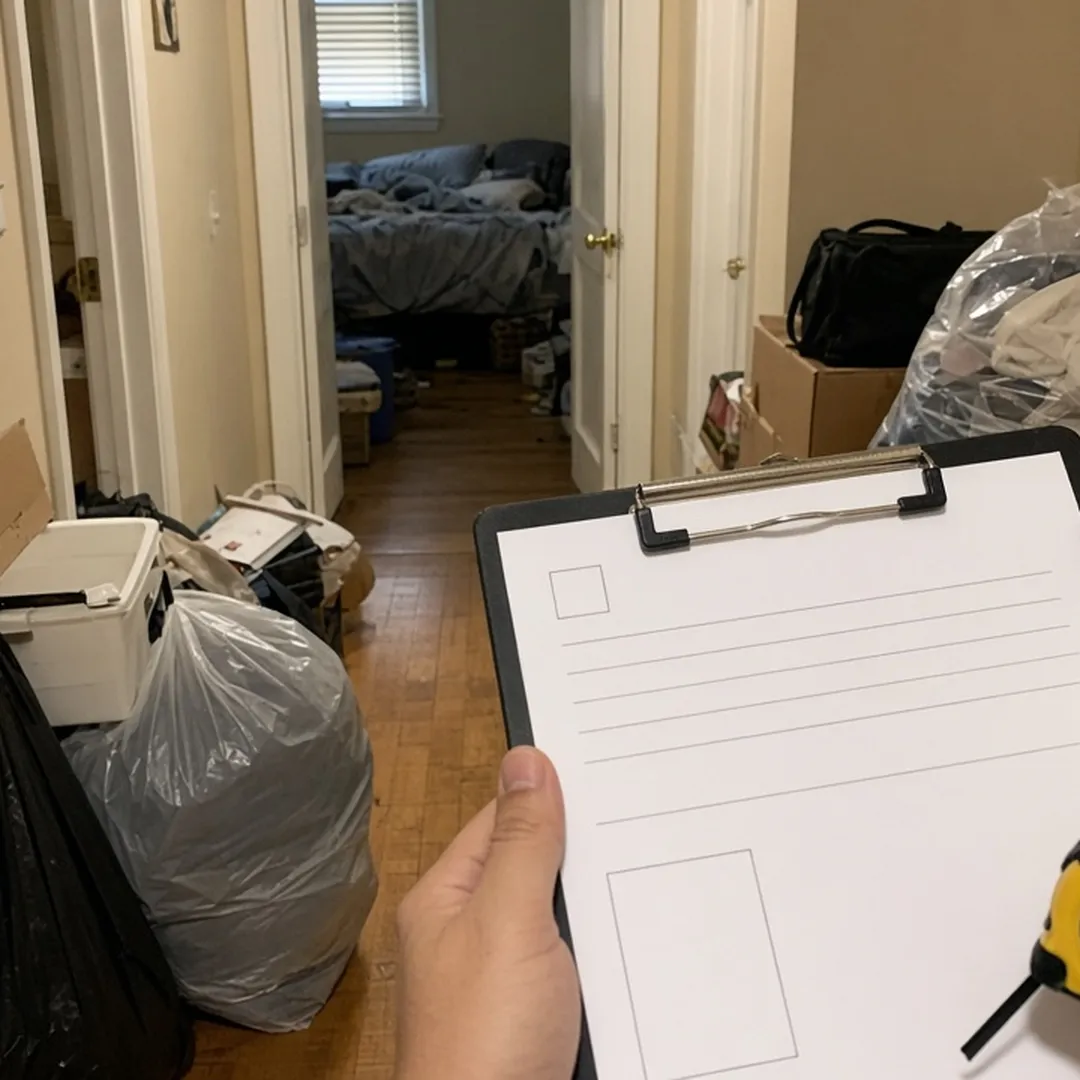
No two hoarded homes cost the same to clean. A one-bedroom apartment at Level II with no biohazard conditions is a very different job from a four-bedroom Level V house with rodents, failed plumbing, and mold throughout. The only way to get an accurate cost is a walkthrough — a provider who looks at every room and writes up the scope before work starts.

Call 650-587-4811 to connect with a local provider for a walkthrough and a written scope with the price.

Provider reviewing a written estimate during a hoarding cleanup walkthrough

The Main Factors That Drive Cost

1. Hoard Level

The five levels of the Clutter-Hoarding Scale are the single biggest driver of cost. Level I and II homes are mostly sorting and hauling. Level III adds protective gear, disinfection, and careful handling of contaminated material. Levels IV and V require full biohazard protocols, flooring and drywall removal, and disposal planning for hazardous items.

Higher hoard levels mean more time, more crew, more protective equipment, and more trips to disposal.

2. Biohazard Conditions

Rodent droppings, urine, nests, and chewed material require disinfection before anything is moved — by CDC protocol. Human or pet waste, mold, and rotting food add the same requirement. Biohazard conditions increase labor time significantly because the crew works through the disinfect-wet-bag sequence in each affected room before the main clearing begins.

Homes with rodent activity throughout the piles take longer than homes where the droppings are concentrated in a few areas.

3. Volume and Truckloads

Hauling cost scales with how much comes out. The number of loads, the truck size, and where the material goes — landfill, transfer station, donation center, hazardous waste facility — all factor in. A heavily hoarded home with decades of accumulated material generates significantly more haul volume than a recently cluttered one.

4. Flooring and Drywall Removal

If subfloor areas are saturated with urine, water damage, or biological waste, the flooring and sometimes the subfloor come out. Mold-damaged drywall also gets removed. This adds both labor and disposal cost and extends the job's timeline.

5. Sorting Requirements

The more the family wants sorted and saved, the more time the crew spends going through the piles room by room. Some families want everything looked at carefully for papers, photos, and valuables. Others want a faster pass. The scope should spell this out before work starts.

6. Number of Rooms and Home Size

A single-room cleanout is a fraction of a full-house job. The scope should list each affected room and the work needed in each, so the price reflects what's actually in the house.

7. Hazardous Item Disposal

Paint, solvents, pesticides, pool chemicals, batteries, old medications, and sharps found in the piles cannot go in the regular haul. They get separated, labeled, and taken to the appropriate disposal program. If a home has a large volume of these items, that adds handling time.

What a Written Scope Should Include

A good written scope for a hoarded home prevents surprises on price. Before approving any work, ask the provider to put these items in writing:

  • Room-by-room scope, with the hoard level and hazards noted for each room
  • Hauling and disposal, including the number of expected loads and where material goes
  • Sorting terms, covering what gets saved, donated, and discarded, and how valuables and papers are handled
  • Hazardous items, naming how paint, chemicals, batteries, and medications are separated
  • Sanitizing and odor work, listing the surfaces and materials that get disinfected or removed
  • Total price and what changes it, so you know what adds cost if the scope expands

Do not approve work that isn't in writing.

Bay Area Disposal Programs

Knowing where the material goes also informs the scope.

Palo Alto: The city's Household Hazardous Waste station at 2501 Embarcadero Way accepts paint, chemicals, batteries, and medications from Palo Alto residents with proof of residency, up to 15 gallons or 125 pounds per visit.

San Mateo County: Residents in Redwood City, Menlo Park, Atherton, and other San Mateo County cities book free hazardous waste appointments at 650-372-6200, up to 10 gallons or 50 pounds per appointment.

Frequently Asked Questions

Why can't a provider give a price over the phone?

A hoarded home's cost depends on the specific conditions in each room — the hoard level, biohazard conditions, volume, and what's in the piles. A provider who quotes a flat price without walking through is guessing. A walkthrough typically takes under an hour and results in a written scope with a firm price. Call 650-587-4811 to schedule one.

Do I pay more if the team finds more biohazard conditions after they start?

That depends on how the scope was written. A good scope lists each room and its conditions before work starts. If the crew finds additional contamination in a room not covered by the scope, a qualified provider stops and shows you before continuing. Never approve scope changes verbally — get them in writing.

Is hoarding cleanup covered by homeowners insurance?

Some homeowners insurance policies cover damage from a sudden event like a burst pipe. Gradual damage from accumulated waste and neglect is typically excluded. Estate situations sometimes have coverage through the estate. The best way to find out is to call your insurer and describe the specific conditions in the home.

How do I keep the cost from growing unexpectedly?

Get a room-by-room written scope before work starts. Make sure the scope specifies what triggers an add-on, requires your approval before anything outside the scope is done, and lists where the material goes. Be present during the walkthrough so the provider sees every room and notes every hazard.

Call Now

For a hoarded home in Palo Alto or a nearby city, call 650-587-4811 to connect with a local provider for a walkthrough. You'll get a written scope that lists the work by room and the price. See hoarding cleanup in Palo Alto for the full service, or read about the five levels of hoarding to understand what level the home is at before you call.

Call 650-587-4811
Call 650-587-4811 Call Now