Hoarding Cleanup and Hoarder Clean Outs in Palo Alto, CA

Local hoarding cleanup providers clear hoarded homes in Palo Alto, CA, where Census figures show about 71% of homes were built before 1980 and the median home dates to 1963. Long-held houses collect decades of belongings, and experienced crews clear them room by room, from a hallway blocked by boxes to a Level V home with rodents, mold, and human waste on the five-level Clutter-Hoarding Scale. Call 650-587-4811 to connect with a local provider.

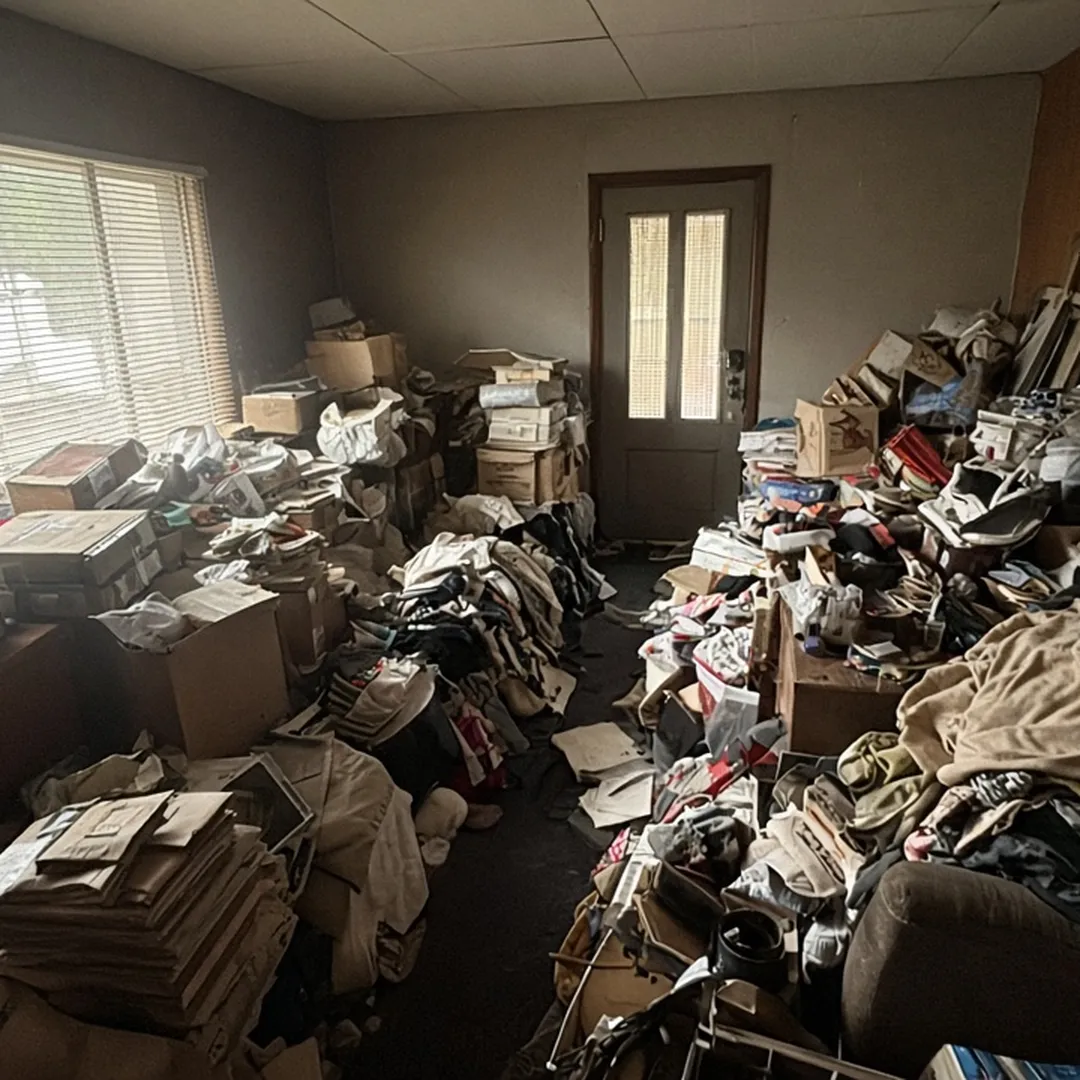
Hoarded living room in a Palo Alto home before cleanup

Why a Hoarder Clean Out Is Not Junk Removal

A hoarder clean out goes past hauling because the hazards sit under the clutter. Rodent droppings and nesting material, pet waste, spoiled food, mold, and spilled chemicals build up in layers a junk crew never sees until the bags are already moving. The CDC tells people to air out a space for 30 minutes before cleaning up after rodents and never to sweep or vacuum droppings, urine, or nests, because that puts virus-carrying particles into the air. A broom and a shop vac make a hoarded house more dangerous. The differences are laid out in hoarding cleanup vs. junk removal, and a qualified provider scopes the job as the full cleanup.

A hoarded home has to be cleared in the right order. Qualified crews ventilate the rooms, wet down droppings and waste with disinfectant before anything is moved, bag contaminated material separately, and sanitize the surfaces underneath. Then the house gets hauled, cleaned, and deodorized.

Hoarding Cleanup Services in Palo Alto

Local providers clean biohazards out of hoarded homes in Palo Alto.

Biohazard crews remove rodent droppings and nests, human and pet waste, rotting food, and mold-damaged material, then disinfect the floors, walls, and fixtures underneath. Odor comes from what soaked into carpet, pad, and drywall, so the materials that hold it get pulled and the surfaces that stay get treated. See how biohazard hoarding cleanup works room by room.

Local providers clean up after animal hoarding in Palo Alto.

Animal hoarding crews remove urine-soaked carpet and pad, scrape and disinfect the subfloor, clear feces and bedding from every room, and treat the odor at its source. Animals need to be rehomed with a shelter or rescue before the cleanup starts. The scope of animal hoarding cleanup depends on the rooms affected and the flooring that has to come out.

Local providers clear out hoarded homes after a death or a move to care in Palo Alto.

Estate cleanout crews pull papers, photos, cash, jewelry, and keys out of the piles as they work, hand them to the family or executor, and leave the house empty, sanitized, and ready for a realtor, contractor, or estate sale. Hoarded estate cleanouts run from the first walkthrough to the final cleaning.

Work is performed by independent professionals.

Palo Alto Homes and What Builds Up Inside Them

Palo Alto's housing is old. Census figures show about 46% of the city's homes were built before 1960, with the 1950s alone accounting for about a quarter of them, and owners occupy about 55% of homes. The city's 2023-2031 Housing Element counted 13,133 residents age 65 and older in 2020, 19.3% of the population. A home owned for decades, with a parent moving to care or passing away, is where an estate hoarding cleanout starts.

The median owner-occupied home in Palo Alto is valued above $2 million, according to the Census, and a house at that value goes on the market empty and clean. A cleanout clears the house to bare floors so the next step, whether repairs, staging, or a sale, can start.

Older houses add one more hazard. The CDC says homes built in the U.S. before 1978 are likely to have some lead-based paint, and paint that peels or rubs creates lead dust. Careful crews clear piles away from walls, trim, and windows without dry-sweeping paint chips into the air.

Winter Rain, Hidden Leaks, and Mold

Palo Alto gets most of its rain in winter. NOAA's 1971-2000 normals for the Palo Alto station record about 15.7 inches a year, and about 84% of it falls from November through March. A roof leak or a failed pipe in a hoarded room goes unnoticed for months because nobody can see the wall or floor behind the piles.

The EPA says the key to mold control is moisture control, and that in most cases mold won't grow on wet materials dried within 24 to 48 hours. Paper, clothing, and cardboard packed against a damp wall never dry. Cleanup providers bag mold-damaged contents, open up the wet area, and remove the drywall, carpet, or pad the moisture reached.

Where a Palo Alto Cleanout Goes

A Palo Alto cleanout can't wait for the city's bulky pickup. Clean Up Day, run by GreenWaste of Palo Alto, collects curbside bulky items on two pre-scheduled dates a year. Cleanout crews typically haul on the day of the job, set aside reusable furniture and textiles for donation, and take the rest to disposal.

Paint, solvents, pesticides, pool chemicals, batteries, and old medications can't go in the trash. The city's Household Hazardous Waste station at 2501 Embarcadero Way takes them from Palo Alto residents with proof of residency, every Saturday from 9 to 11 a.m. and the first Friday of each month from 3 to 5 p.m., up to 15 gallons or 125 pounds per visit. A careful crew separates these items as they turn up and labels them so they stay out of the haul.

Rodents follow food and shelter, and a hoarded home offers both. The Santa Clara County Vector Control District offers free rodent inspections of a property's exterior only, and it doesn't clean up after rodents or work indoors. The inside work, meaning droppings, nests, chewed material, and the disinfection that follows, falls to a cleanup provider.

Signs a Home Needs Professional Help

A home needs professional help once it reaches Level III on the Clutter-Hoarding Scale from the Institute for Challenging Disorganization, which the institute treats as the pivot point between a cluttered home and a hoarded one. These signs put a home past a weekend cleanup.

  • Clutter blocks a door, a hallway, or the path to an exit.
  • You can hear or see mice or rats, or find droppings in cupboards and drawers.
  • Garbage overflows, or food is rotting in the kitchen.
  • The toilet, sink, or tub has stopped working or is heavily soiled.
  • Pet waste is on the floors, or more animals live in the home than anyone can care for.
  • A strong odor reaches the front door or a neighbor's yard.
  • Mold shows on walls, ceilings, or stored items.

The full breakdown of the five levels of hoarding shows where each sign falls. If any of these fit the home, call 650-587-4811 to connect with a local provider who can walk through it with you. For homes with droppings through the piles, see rodent droppings cleanup in Palo Alto.

Living room packed with boxes and bags before a hoarding cleanup

What to Look for in a Provider

  • Treats the home as biohazard work. A qualified crew disinfects before moving anything and bags contaminated material separately.
  • Works to your sorting rules. You set what gets kept, donated, and discarded before the first bag is filled.
  • Keeps hazardous items out of the trash. Paint, chemicals, batteries, and medications get separated and labeled.
  • Puts the scope in writing. You see the work planned for each room before anything starts.
  • Works without judgment. Homes get cleared after a parent moves to care, after a death, and after a landlord's notice, and every home deserves the same respect.

How the Work Gets Done

The work typically gets done in four steps. First, the provider walks through the home with you and notes each room's condition, the hazards, and what has to be saved. Second, the provider writes up the scope and the order of the rooms. Third, the crew clears the home room by room, wetting down waste and droppings before moving anything, sorting as they go, and hauling out the discard. Finally, the crew disinfects and deodorizes the emptied rooms and walks the house with you before the job is called done.

What a Written Scope Should Include

A good written scope for a hoarded home spells out the work, not just the truckloads. Look for these items.

  • Scope by room, with the hoard level and the hazards noted for each.
  • Hauling and disposal, including where the material goes and the number of loads expected.
  • Sorting terms, covering what gets saved, donated, and discarded, and how valuables and papers are handled.
  • Hazardous items, naming how paint, chemicals, batteries, and medications are separated.
  • Sanitizing and odor work, with the surfaces and materials that get disinfected or removed.
  • State registration where it applies. When a home involves blood or body fluids from a serious injury, illness, or death, California Health and Safety Code section 118321.1 requires the company doing that removal to register with the California Department of Public Health as a trauma scene waste management practitioner. The department publishes the list of registered practitioners.

Ask any provider to put each of these items in writing before work starts.

Areas Served

Local providers clean out hoarded homes across Palo Alto, including Old Palo Alto, Professorville, College Terrace, Barron Park, Midtown, Ventura, Greenmeadow, Charleston Meadows, and Duveneck/St. Francis. Providers also cover East Palo Alto, which became its own city in 1983, plus Redwood City, Menlo Park, Stanford, Mountain View, Los Altos, and Portola Valley. See the full list on the service areas page, or call 650-587-4811 to confirm your address.

Frequently Asked Questions

How much does hoarding cleanup cost in Palo Alto?

Hoarding cleanup cost depends on the hoard level, biohazard conditions, and whether flooring needs to come out. A walkthrough is the only way to get an accurate price. See what drives hoarding cleanup cost or call 650-587-4811 and a local provider will walk through the home and give you a written scope with the price before anything starts.

How long does a hoarder clean out take?

A single room can be cleared in a day, and a full hoarded house takes several days. The time grows with the hoard level, the amount of sorting the family wants, and how much of the home needs disinfecting or flooring removal. Homes at Level IV or V on the Clutter-Hoarding Scale, with rodents, mold, or waste, take longer because contaminated areas are wetted down and bagged separately before hauling. A provider should give you the expected number of days in the written scope.

Can belongings soaked by waste or rodent urine be saved?

Porous items soaked with urine, feces, or rodent waste can't be cleaned safely. That covers mattresses, upholstered furniture, carpet, cardboard, and most paper and clothing. Hard items such as metal, glass, and sealed plastic can be disinfected and kept. A careful crew sets aside anything on your keep list, shows you items that can't be saved before they go, and bags contaminated material separately from donations.

Is it safe to clean a hoarder house yourself?

Light clutter is safe to clear yourself, but rodent droppings, pet and human waste, and mold need protective steps. The CDC advises soaking rodent droppings and nests with 1 part bleach to 9 parts water for 5 minutes, wearing rubber or plastic gloves, before wiping them up. A hoarded home has these hazards in every layer, with mold and spilled chemicals mixed in, which makes a DIY cleanout slow and risky. Call 650-587-4811 to connect with a local provider.

What if the homeowner can't get to the hazardous waste station?

Palo Alto runs a home pickup for household hazardous waste for residents with physical limitations. The resident downloads a Physical Limitations Application from the city's website or requests one at (650) 496-5910, has a doctor sign it confirming the limitation, and once the application is approved, calls (650) 329-2669 to schedule the collection. The city's hazardous waste program does not accept controlled substances. During a cleanout, the crew can gather and label paint, chemicals, batteries, and medications in one place for the pickup.

Are hoarding cleanup providers available in East Palo Alto and Menlo Park?

Yes. Local providers cover both East Palo Alto and Menlo Park. East Palo Alto sits in San Mateo County, and Palo Alto's hazardous waste station only takes items from Palo Alto residents, so for a home outside Palo Alto the disposal gets planned around the programs of the city the home is in. Call 650-587-4811 to confirm the address and connect with a provider.

Call Now

If a home in Palo Alto needs a hoarding cleanup, call 650-587-4811 to connect with a local provider for a walkthrough and a written scope. A qualified provider notes the hazards room by room, agrees on what gets saved, and clears and sanitizes the house. You can also email [email protected].

Call 650-587-4811
Call 650-587-4811 Call Now